
Cleaning parquet: quick, thorough and without damage
A simple routine for cleaning parquet: dry dusting, damp cleaning with the right product and a schedule for each room.
Keeping a wooden floor clean is not difficult, but wood needs a different approach from tiles. You are not really cleaning the wood itself, but the finish on top of it: lacquer, oil or hardwax oil. Look after that layer and the floor stays beautiful for years. The basics are simple: plenty of dry cleaning, very little water, and always a product that suits the finish.
Step 1: dry cleaning
Sand, grit and dust act like sandpaper under shoes and slippers. They are the main cause of dull walkways and fine scratches, which makes dry cleaning the most important part of floor care.
- Use a flat mop with a microfibre pad. Microfibre holds on to fine dust instead of pushing it around.
- Lift the mop off the floor as little as possible while you work, so the dirt stays under the pad.
- A vacuum cleaner is fine, with a soft brush or a parquet nozzle. Switch off any beater brush.
- An ordinary broom often moves more dust than it collects, but it is handy for coarse dirt.
- Wash microfibre pads regularly without fabric softener, otherwise they stop working well.
Step 2: damp cleaning, only when needed
If the floor is still not clean after dusting, clean it damp. Note the word damp: wood and water do not mix well. Too much water gets into the joints and can cause swelling, discolouration and grey edges.
- Dust or vacuum first. Otherwise you turn dust into mud.
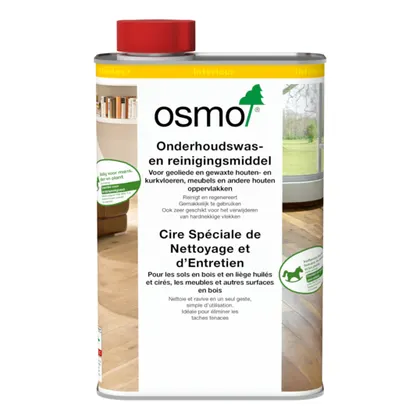
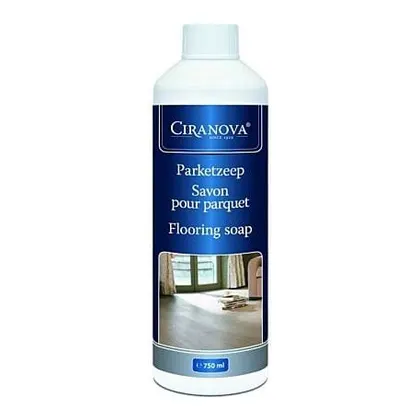
- Choose the right product: soap for oiled floors on an oiled or hardwax oiled floor, a neutral cleaner for lacquered floors on a lacquered floor.
- Dilute the product as stated on the pack. More product does not clean better and is more likely to leave a film or streaks.
- Use a well wrung-out mop, or a spray cleaner with a microfibre pad. The floor should be dry within a few minutes.
- Ideally work with two buckets: one with the cleaning solution and one to rinse the mop. That way you do not put the dirt back on the floor.
- Mop along the boards and work towards the door.
- Never leave standing water. Wipe it up immediately with a dry cloth.
How often?
- Entrance, hallway and kitchen: dry every day or every few days, damp once a week.
- Living and dining room: dry a few times a week, damp every other week or as needed.
- Bedrooms: dry once a week, damp only when really necessary.
These are guidelines. Children, pets or a garden door that is often open can increase the pace. The principle stays the same: dry as often as possible, wet as little as possible.
Quick fixes in between
- Spilled something? Wipe it up straight away with a dry or slightly damp cloth, blotting rather than rubbing.
- A small dirty patch? A parquet spray cleaner and a microfibre pad are enough, no need to mop the whole floor.
- Grit by the front door? Give it a quick dust before it gets carried across the whole floor.
Keep dirt outside
- Put a good doormat at every outside door, ideally a coarse one outside and a finer one inside.
- Take off outdoor shoes, especially heels and treaded soles that trap small stones.
- Put felt pads under chairs and furniture. Read more in our article on protecting your floor.
- Keep indoor relative humidity between about 40 and 60 percent. It is good for the wood and for you.
Caring for the finish
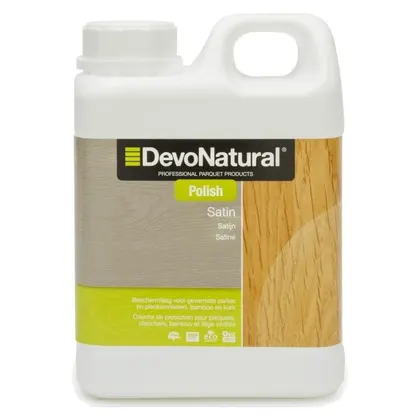
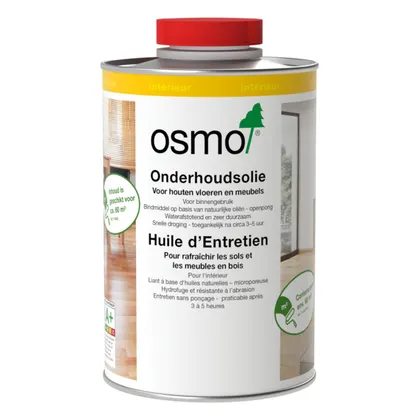
Cleaning alone is not enough in the long run. An oiled floor needs maintenance oil now and then, and a lacquered floor can be refreshed with polish. Our article on polishing and refreshing explains how. The webshop has soaps, cleaners and care products for every finish.